THE BACKSTORY OF H.U.C.
Hi, I'm Eric Pittman. The man behind the lens here at Hummingbirds Up Close. I’ve spent 17+ years documenting the secret lives of the birds in our backyards.
HI, I'M ERIC PITTMAN
17+ Years. Thousands of hours. One tiny, feathered boss.
What started as a backyard hobby became a world-class archive. As a naturalist and cinematographer, I’ve documented generations of hummingbird families to show you how they build, survive, and thrive.
From piloting planes and rescuing orcas to filming for the BBC, my journey behind the lens has been anything but ordinary—scroll down if you’re curious how this all began!
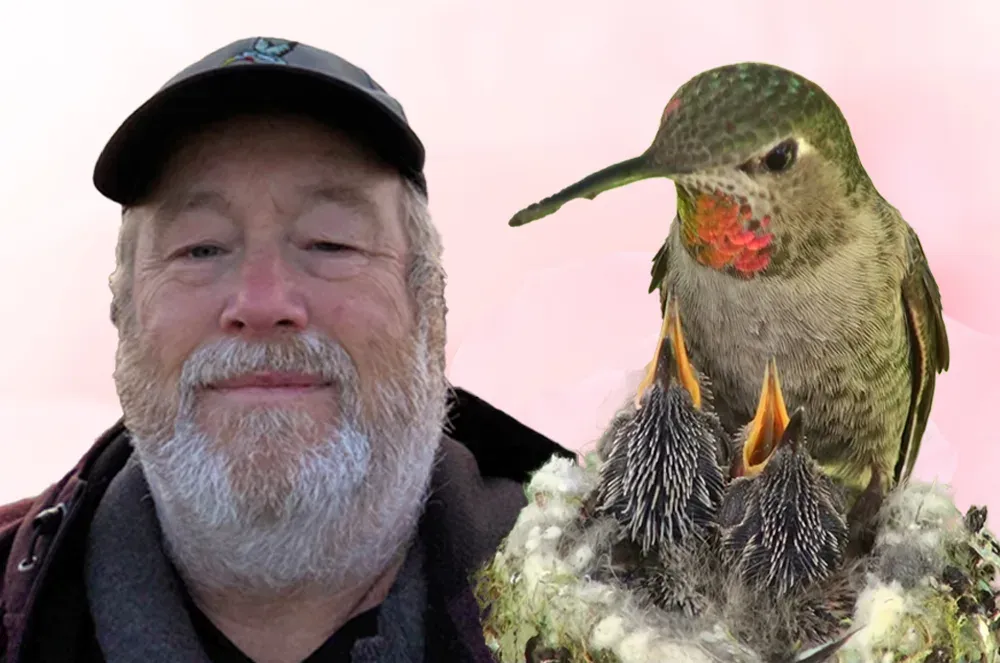
Hi, I'm Eric—the man behind Hummingbirds Up Close.
Naturalist & Hummingbird Cinematographer
FROM MOSCOW TO VICTORIA, B.C.
Why I spent 40,000 hours behind a camera—and why I was likely born to do it.
My life began in a sheepskin blanket. I was born on Christmas Day in Oslo to parents who were working as spies in Moscow. To protect me from the −30 degree cold, my mother carried me back to Russia in a basket. A soldier stopped her at the border, checking to see if I was a "nefarious object". I suppose I fooled him.
Growing up in the apartment for foreign embassy workers, my perspective was shaped by a unique necessity. My parents’ mission was to photograph the landscape around Moscow for flight path creation—a time when such images were in their infancy. We would pose as a family in front of vast vistas or the Kremlin, serving as the "cover" for their specialized observation.
Decades later, when I discovered a hummingbird nest in a pear tree in my yard, that same familial drive for deep, patient observation guided me. I saw more than a bird; I saw the most beautiful thing I had ever witnessed. Like my parents, I became an outsider looking in, eventually documenting over 130 nests and capturing 40,000 hours of behavior. Mastery, I’ve learned, emerges not from theory, but from immersion and humility.
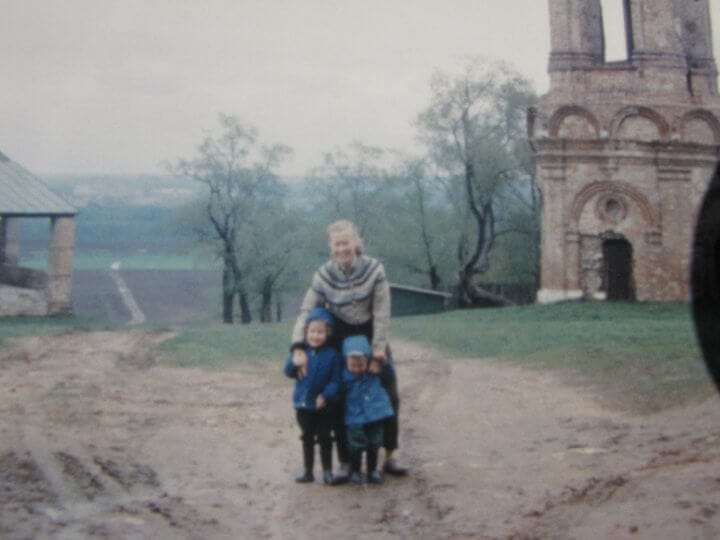
Moscow, 1964: My mother and I, in a "family photo" that was actually a landscape documentary mission. This is where I first learned the power of quiet attention.
THE SKY, THE SEA, AND A PEAR TREE
From building a helicopter out of wreckage to documenting a world that moves too fast to see—my life has always been about figuring things out.
At 19, I was sweeping floors at a helicopter hangar trying to catch a break when the owner finally gave me a chance: rebuild a functional helicopter from the twisted wreckage of three crashed aircraft sitting behind the hangar with nothing but a toolbox and a manual, or take the bus home.
I didn't take the bus.
I spent months in that hangar, meticulously stripping, matching, and testing every spar, strut, and bolt. It was an exercise in extreme accountability; I knew that if I missed a single detail, I would be the one in the pilot's seat when it finally left the ground. By the end of the season, that "Frankenstein" machine was the only helicopter in the fleet still flying.
That experience taught me a fundamental truth that I carry into every aspect of my life today: Confidence isn't something you're born with; it’s something you build, one detail at a time. If the vehicle you need to reach your goal doesn't exist, you build it yourself.
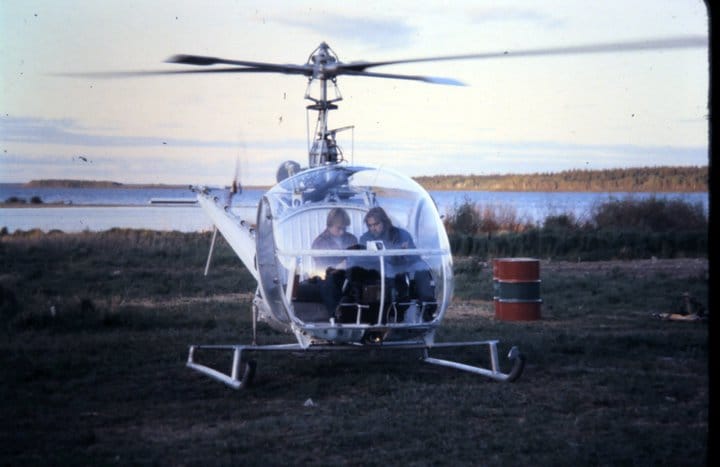
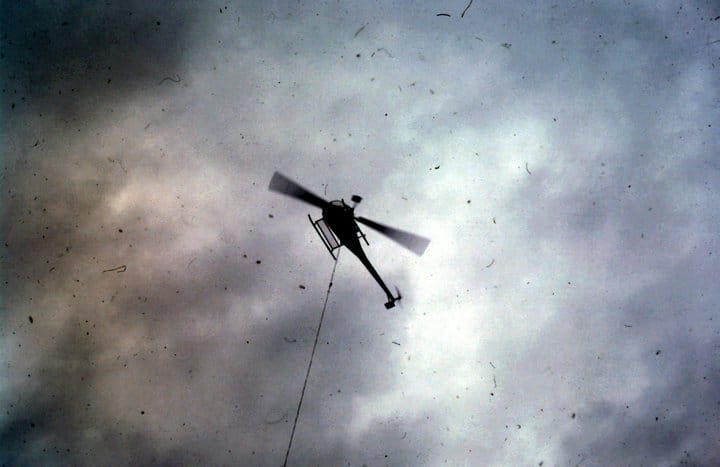
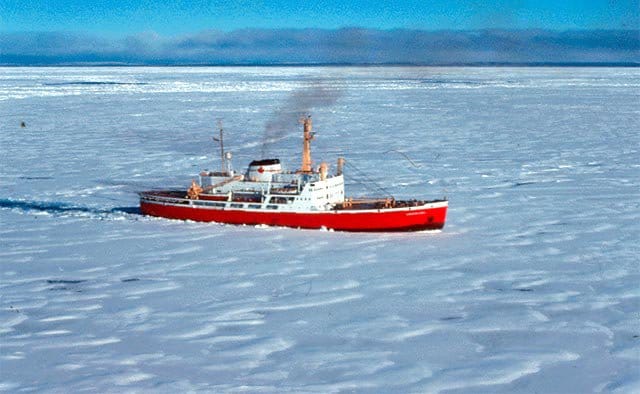
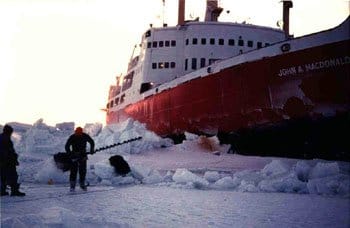
Long before I was filming hummingbirds, my world was measured in steel, salt, and survival. Working for the Canadian Coast Guard and Department of Fisheries, I learned to silence my own fear to become a perfect observer. On the ocean, your life depends on noticing the slightest "glitch" in the waves or watching a branch fall toward your rotor blades in slow motion. You become a master of the technical, the cold, and the mechanical.
But nothing prepared me for the seal hunt.
I was there as a navigator, but I left as a witness. Watching that raw, industrial scale of loss on the ice was a shock that reached deeper than any storm I’d ever flown through. I was sickened by what I saw, but I realized that being sickened wasn't enough. I had my camera. I realized that if I was going to be there, I had to be the one to document it. I sent those photos to Greenpeace, desperate to make the world look at what I was seeing. Even though they weren't used then, the act of taking them changed me forever.
That was the moment my lens shifted. I stopped using the camera to capture "the machine" and started using it to protect "the miracle." Today, when I sit in "operational silence" for six hours waiting for a hummingbird, I’m using that same survival focus I learned on the water—but now, I’m using it to ensure the smallest heartbeats aren't forgotten.
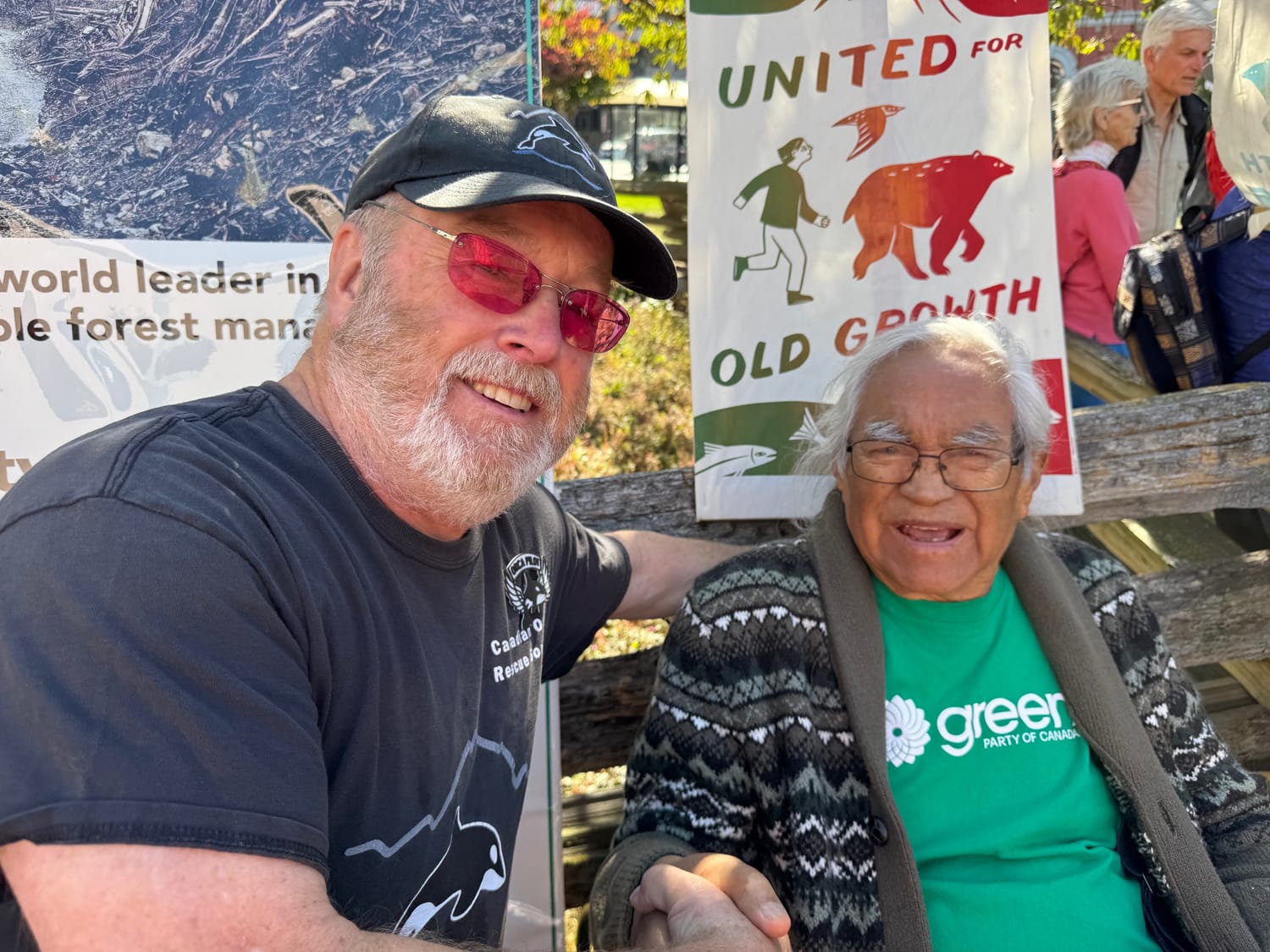
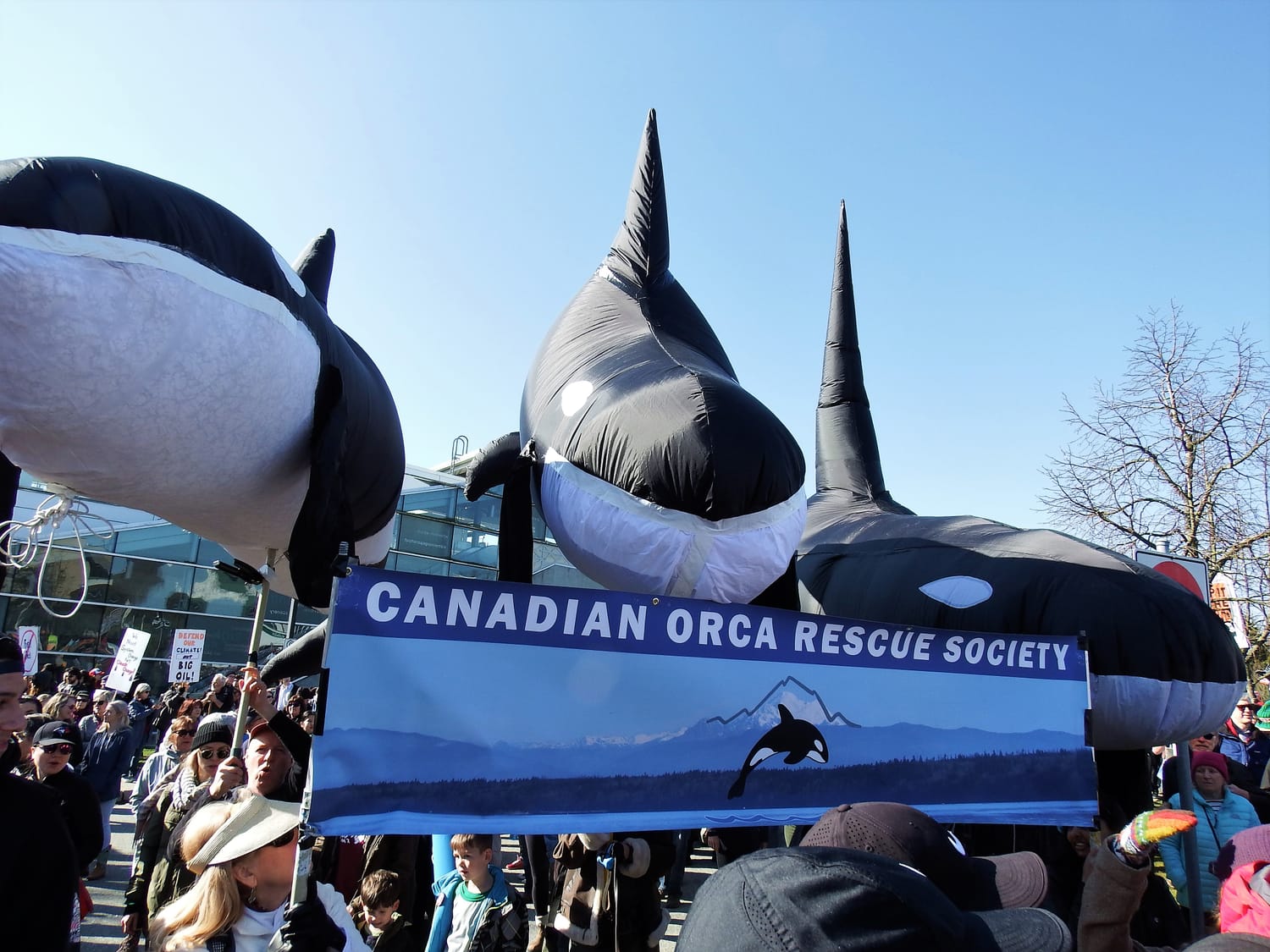
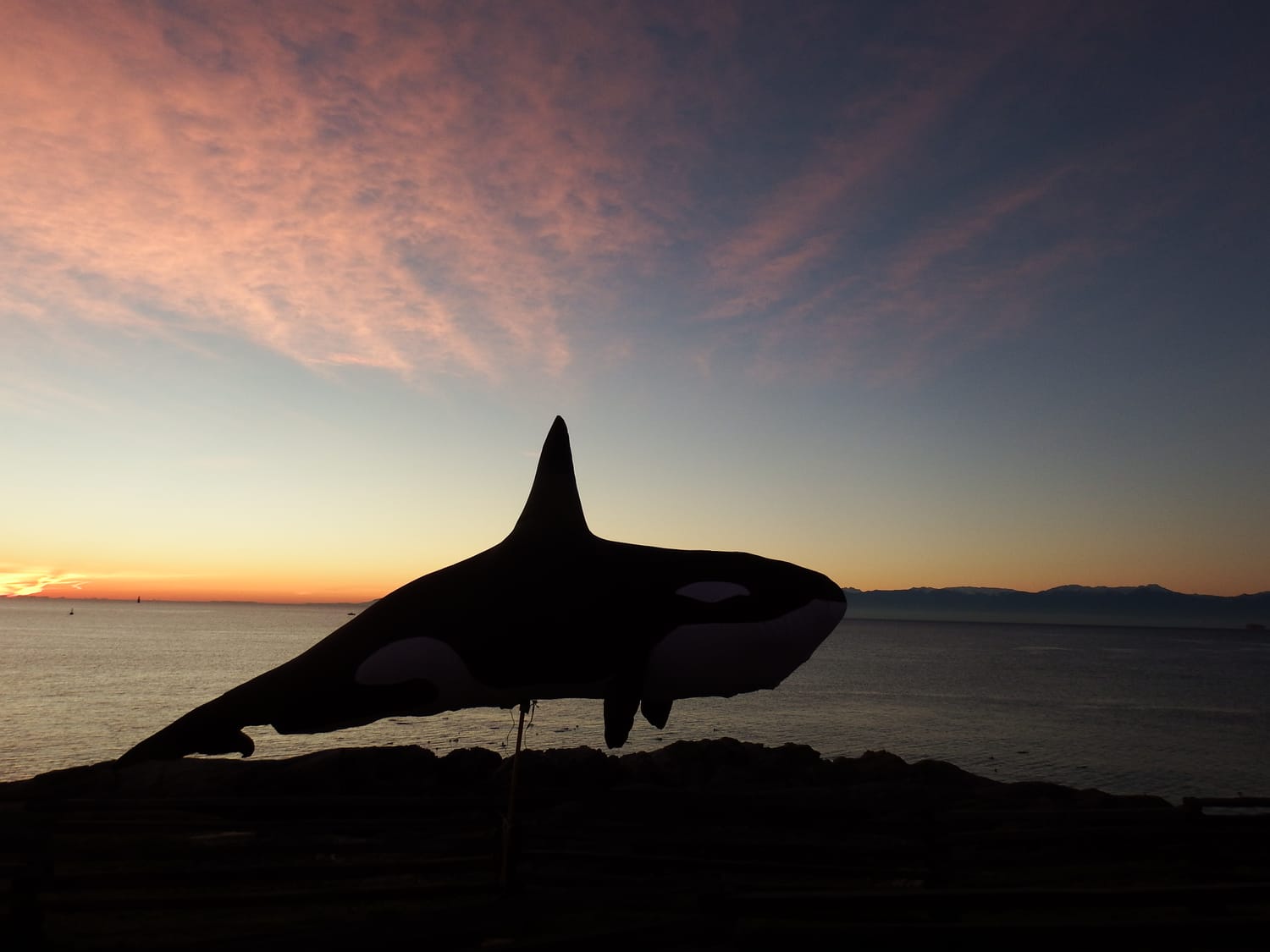
In 2017, I realized that witnessing the wild wasn't enough; I had to speak for it. I helped found the Canadian Orca Rescue Society to bring awareness to the plight of the Southern Resident Killer Whales. We didn't just write letters—we built 11 life-sized inflatable whales, modeled after real individuals of the pods, to educate the public and schools on how to protect them.
We discovered that to save the orcas, we had to bring back the salmon. I stood on the decks of the Sea Shepherd ship Martin Sheen alongside Pamela Anderson and Chief George Quocksister Jr., visiting fish farms in the Chief's traditional territory to protest their impact on migrating smolts. After years of campaigns and marches, 19 fish farms were shut down, and the wild salmon populations began to rebound.
Watching that recovery taught me a deeper truth: Everything is connected. To save the giants, you must protect the smallest heartbeats. Today, that mission continues through our community garden, where we teach sustainable land use to restore salmon habitats, and through my hummingbird archive. I’m not just filming birds; I’m showing you the fragile heart of an ecosystem that is entire, interconnected, and worth fighting for.
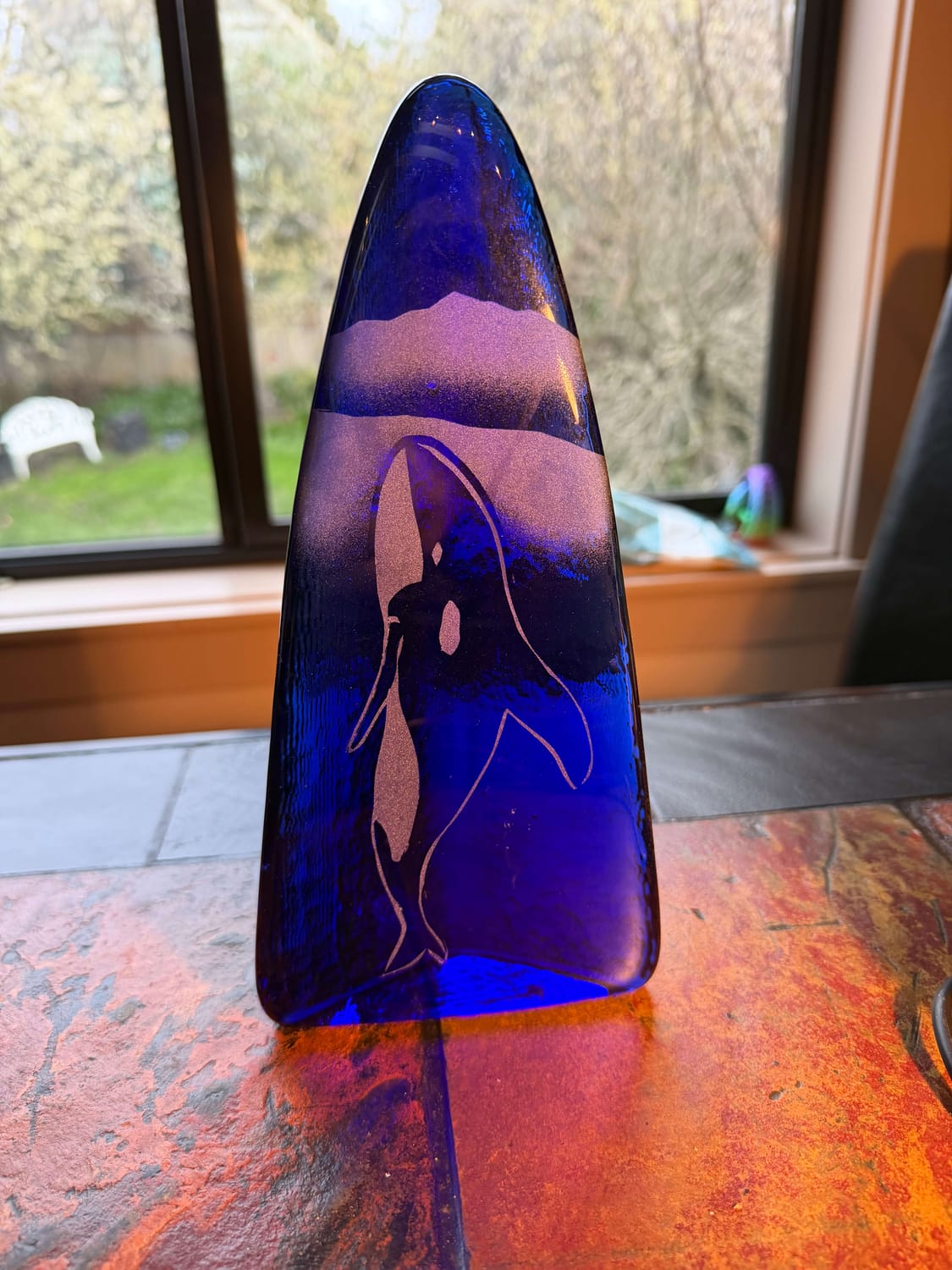
Before the birds, I was an entrepreneur fueled by fire and high-stakes pressure. I spent years as a glass artist, building my own foundry and tools from the ground up. It was a life of extreme technical precision—one that even led me to create a synchronized light show for Prince Charles and Princess Diana at Expo 86. But when that venture eventually closed, I had to find a new way to provide.
I took a job in sales and approached it like a flight manual. I devoured every training book and tape I could find, teaching myself the mechanics of human connection until I became the #1 salesperson at my firm. But the success came at a cost. The "numbers at all costs" culture of that first company led to total burnout. I was hollow, exhausted, and desperately needed an outlet that didn't involve a quota.
That is when I noticed a tiny "glitch" of movement in my pear tree.
I saw a mother hummingbird feeding a chick and realized it was the most beautiful, complex thing I had ever witnessed. I was mesmerized. And I had a new a new puzzle to solve!
Ever since, I've been filming hummingbirds and documenting their nests, using the same patience and attention I used to build helicopters long ago.
This hobby is my heartbeat. It reenergizes me in the way nothing else does. Today, I still lead in sales at a reputable firm I love, but I do it with the "silent witnessing" of hummingbirds in my heart.
RECHARGE WITH HUMMINGBIRDS
Discover how a simple obsession with local birds can provide the operational silence you need to recharge.
It turns out that thirty years of building helicopters, running a glass foundry, and navigating high-pressure sales was just training for the patience it takes to sit with a bird.
While my parents used the forest as a "cover" for their work in Moscow, I’ve found it to be my sanctuary. It’s where I go to decompress and reconnect with that quiet observation I learned from them as a kid.
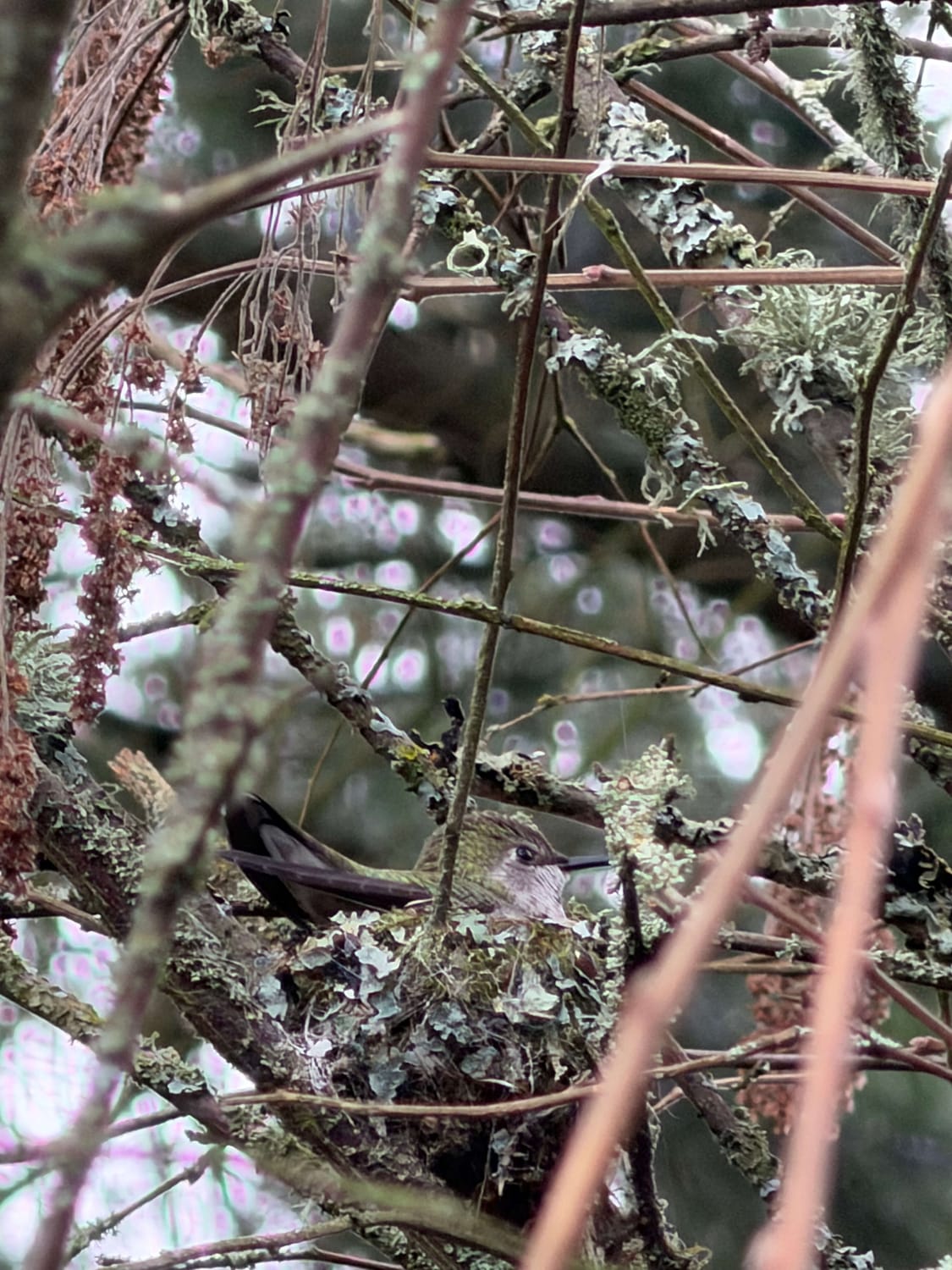
When I spotted Sweetiebird in my pear tree, I didn't know it then, but I was in need of a hobby that reenergized me.
I was just fascinated by the mechanics of Sweetiebird—an iridescent glitch of movement weaving a home out of spider silk and lichen. I applied the same "build-the-vehicle" obsession I’ve always had. 130 nests and 250 named birds later, I accidentally built the world’s largest library of hummingbird behavior.
The Mission Continues
Even after the TEDx stage and being the subject and cinematographer for the CBC documentary, my camera hasn't stopped rolling. My day job in sales still keeps me sharp, but my time in the field is where I get to rest and recharge: documenting new behaviors and protecting the habitats we share.
I’m still in the backyard. I'm still learning. And I’m still here to show you what happens when you slow down long enough to actually see what's happening in your own trees.
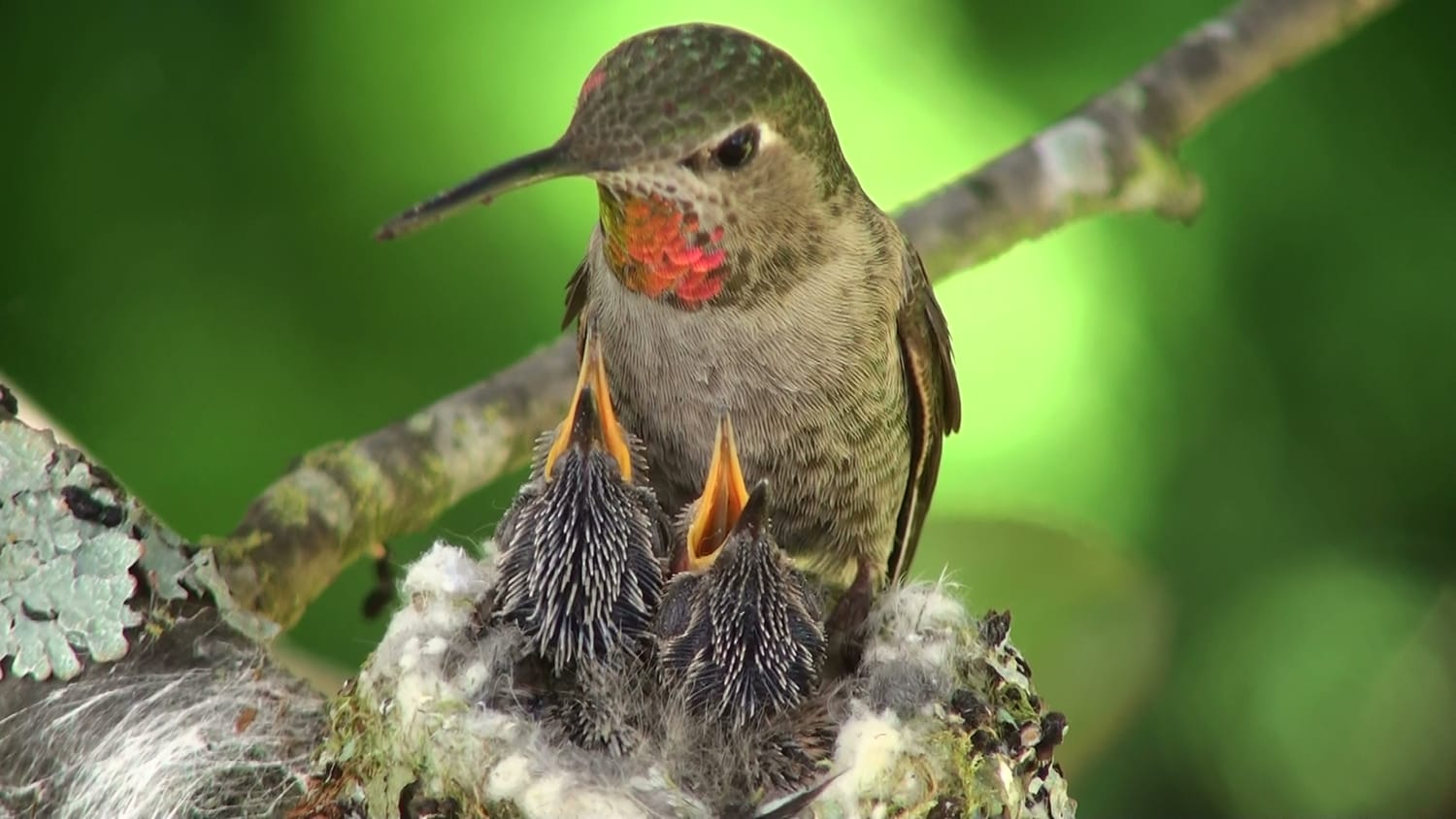
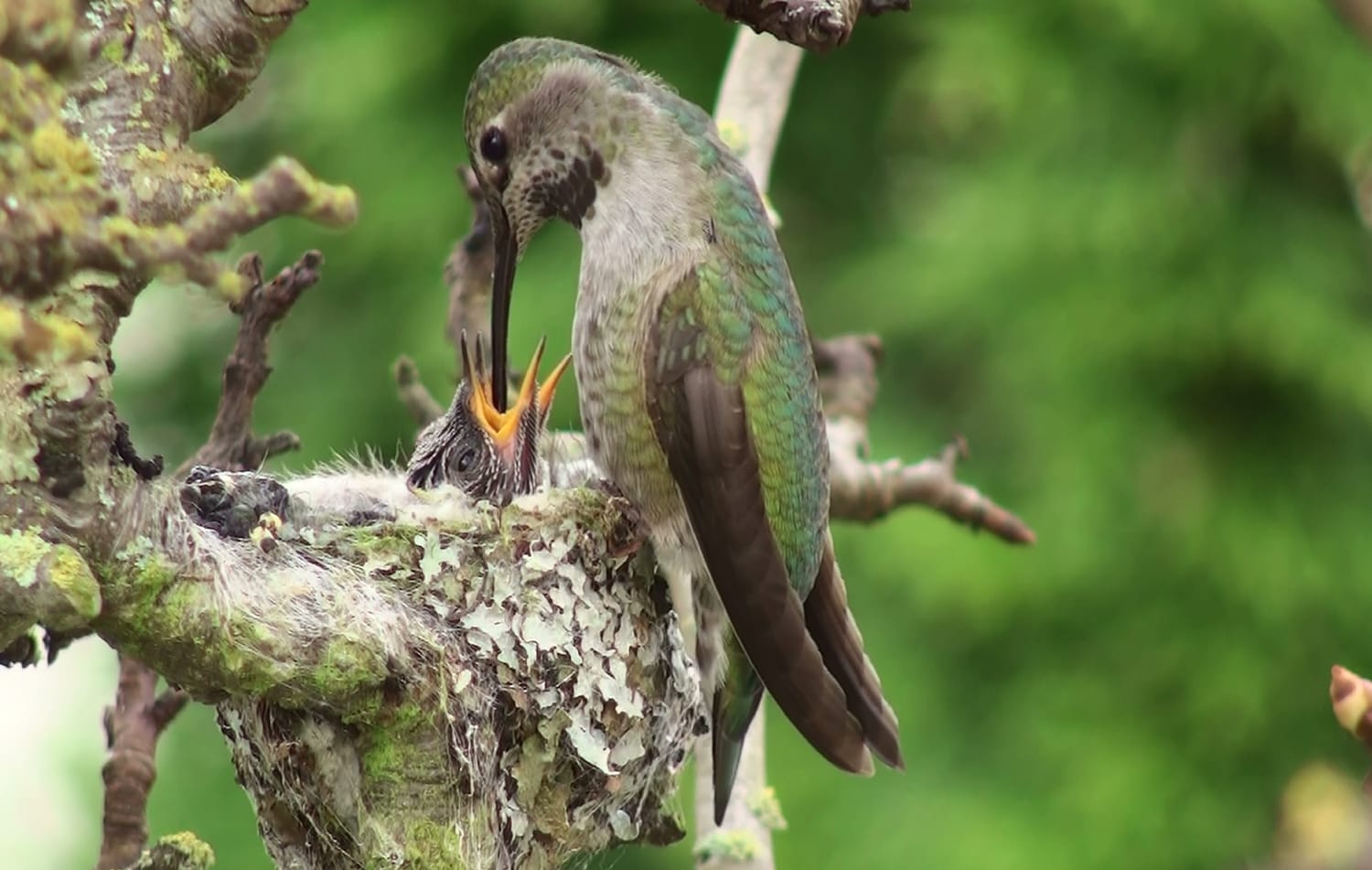
Sweetie Bird feeding her two chicks.
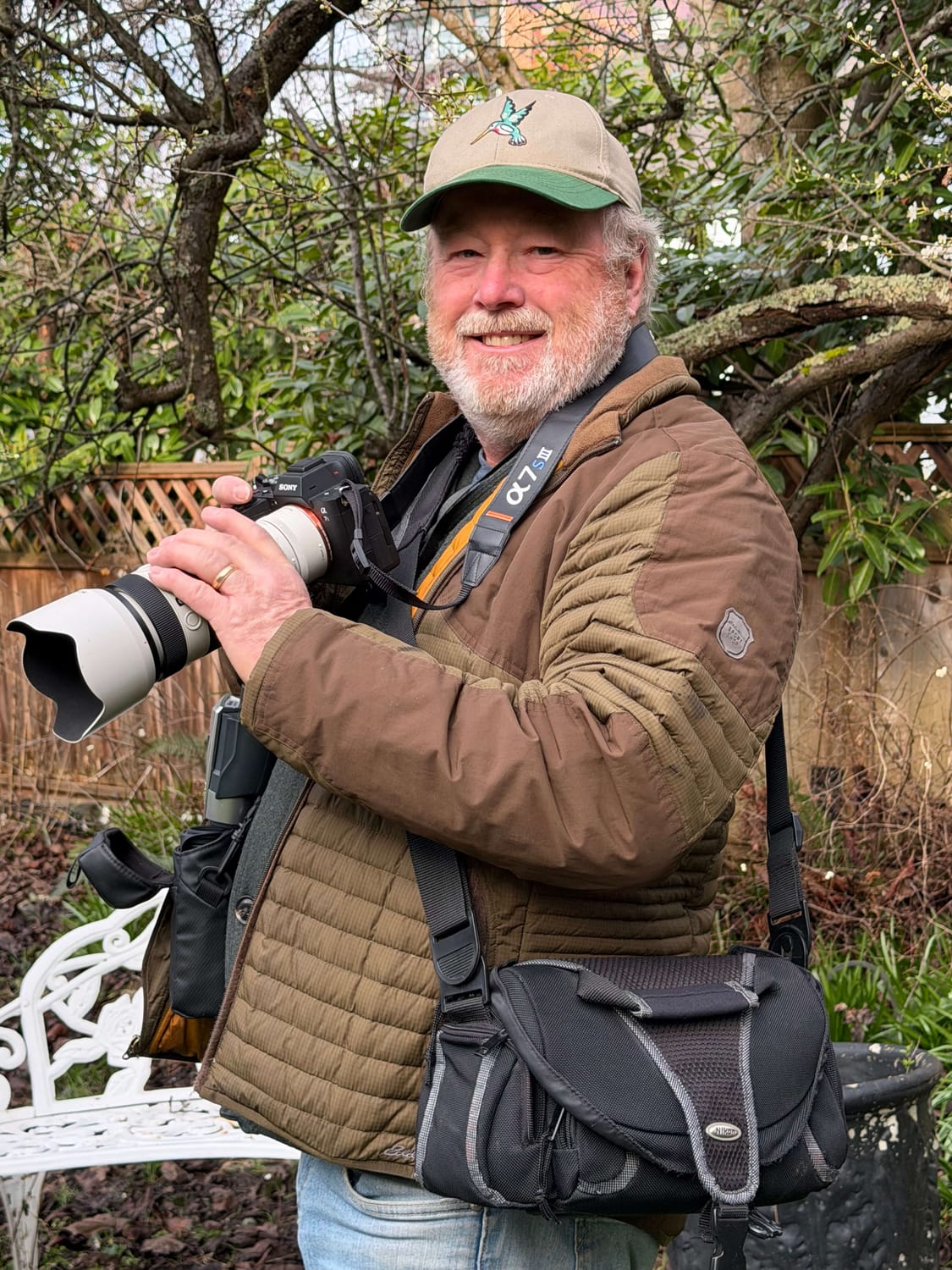
Me in my backyard!
130+ Nests Documented

40,000+ Hours of Footage

2.4M+ Documentary Views

ERIC PITTMAN
SELECT ACCOMPLISHMENTS
Featured Cinematographer & Subject, The Bird in My Backyard: The award-winning CBC Nature of Things documentary with over 2.4 million global views.
International Award Winner: Subject of the Award Winning Documentary The Bird In my Backyard winning best Documentary at Jackson Wild Film Festival Award and the Banff Mountain Film Festival , Best Documentary in it’s class in Chile and Italy.
Canadian Screen Award Nominee: Canadian Screen Award Nominee
Nominated for 5 Leo Awards
The Archive Founder: Creator of the world’s largest hummingbird nest film archive, documenting 130+ nests over 17 years.
Technical Expert: Technical Expert: 40,000+ hours of high-resolution behavioral footage captured.
TEDx Speaker: Delivered "The Secret Lives of Hummingbirds," translating deep observation into human focus and chosen as Editor’s pick.
Featured in Toastmaster Magazine: Profiled for the ability to translate technical cinematography into "arresting" and "poignant" storytelling for global audiences.
Medal of Bravery Recipient: Awarded by the Governor General of Canada for decisive, life-saving action.
Vital Link Award: Recognized for excellence in emergency response and situational leadership.
Co-Founder, Canadian Orca Rescue Society: Worked alongside Chief George Quocksister Jr. and the Sea Shepherd Society, successfully resulting in the closure of 19 fish farms to protect wild salmon migration.
Salmon Habitat Restoration: Contributed to the rebound of wild salmon populations in BC coastal waters through dedicated advocacy and community education.
GET THE HEARTBEAT
Ever wondered what it’s actually like inside a nest? I’ve spent 16 years bringing you up close to 130 nests and 250+ birds I’ve come to know by name. Subscribe to the Hummingbird Heartbeat for an intimate look at the nests and the stories you won't see anywhere else.
Documenting 16 years of backyard miracles to protect the forest we share.



Hummingbirds Up Close © 2026
Created by True2Brand